
Birdwatching at Pape Nature Reserve for Beginners
Which birds you'll actually see, best seasons to visit, what equipment you really need, and guided tour options available.
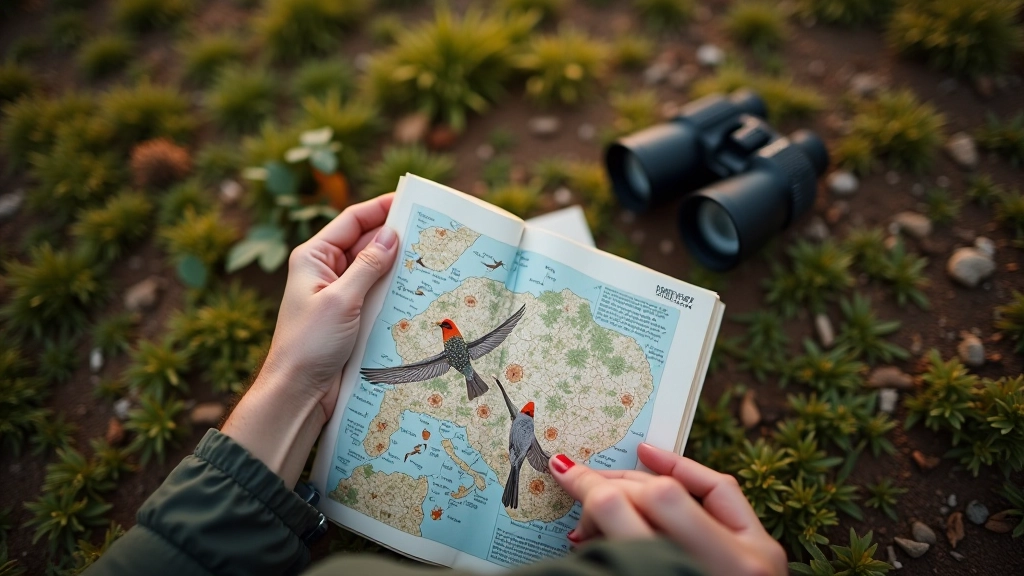
Why Pape Reserve Matters
Pape Nature Reserve sits on Latvia's southern coast, and it's one of the most important stops for migrating birds in all of Europe. You'll find over 250 species here throughout the year — that's not a huge number compared to tropical locations, but what makes it special is that you'll actually see them. They're not hiding in the canopy 100 meters up. They're on the water, in the reeds, right there where your binoculars can reach.
The reserve covers around 40 square kilometers of wetlands, reed beds, and open water. It's accessible, well-organized, and there's a visitor center that doesn't try too hard to sell you things. Honestly, that's rare. Most nature reserves feel like outdoor shopping malls. This one doesn't.
Spring Arrivals (April–May)
This is when everything happens. Birds are heading north after wintering in Africa, and they're hungry, tired, and visible. You'll see warblers, thrushes, geese, and swans moving through daily. The water's still cold, the sun's out longer each day, and the energy is real. First-timers should come mid-April through early May. Bring layers — mornings are cold, afternoons are pleasant.
Summer Breeding (June–July)
Fewer species but more activity. The birds that stayed are nesting and raising chicks. You'll see terns diving for fish, grebes performing courtship displays, and lots of juveniles learning to fly. It's quieter than spring but more intimate. Plus, the long daylight hours mean you can bird from 4 AM to 10 PM if you're dedicated.
Autumn Migration (August–October)
The return journey south. Different species than spring, different timing, different behavior. Warblers pass through in late August. Raptors appear in September. It's less predictable than spring but equally rewarding if you're flexible. The light is beautiful — golden, angled, perfect for spotting movement.
Equipment You'll Actually Use
You don't need to spend a fortune. Seriously. A decent pair of binoculars and a field guide will take you 90% of the way. Here's what works:
Binoculars
You need 8x42 magnification minimum. That means 8x zoom and 42mm objective lens. Budget €100–150 for a solid pair from Nikon, Celestron, or Pentax. Don't buy €30 binoculars from random websites. They'll give you headaches and you'll quit.
Field Guide
Get "Birds of Northern Europe" or a similar regional guide in digital or print. The Merlin Bird ID app is free and works offline. Start with the app, honestly. It's faster than flipping through pages.
Notebook
Jot down what you see, the time, weather, behavior. You'll remember details better and you'll start spotting patterns across visits.
Clothing
Waterproof jacket, warm layers, good boots. Pape is windy and wet. Your comfort directly affects how long you'll stay and what you'll see.

Birds You'll See (Really)
Forget rare warblers and exotic vagrants. Here's what actually shows up and stays visible long enough for beginners to identify:
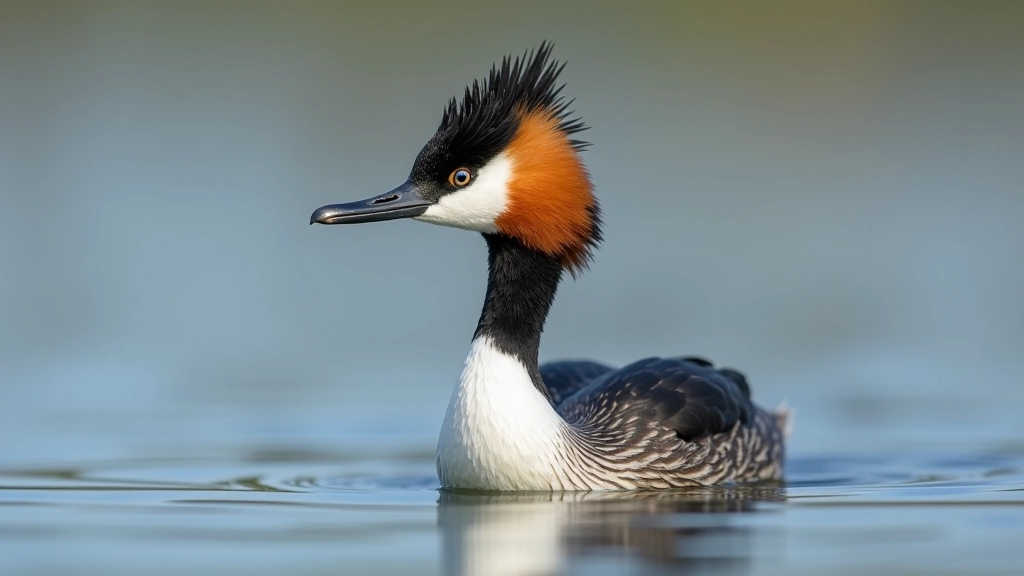
- Great Crested Grebes — Large, elegant, impossible to miss on the water. They've got a fancy head crest in spring. You'll see them every visit.
- Eurasian Wigeon — Ducks with reddish heads. They gather in flocks of dozens or hundreds. Very visible, very identifiable.
- Marsh Harriers — Raptors that hunt over the reeds. Watch for their distinctive low, gliding flight. Absolutely thrilling to see.
- Common Snipe — Small wading birds that blend in until they flush. Once you learn their shape, you'll spot them everywhere.
- Reed Warblers — Small, skulking, but they sing constantly in spring. Listen for them, then use binoculars to find them in the reeds.
- Mute Swans & Whooper Swans — Massive, beautiful, unmistakable. Whooper swans have yellow on their bills. They're magical in spring and autumn.
You might also see white-tailed eagles, peregrine falcons, and various geese depending on the season. But don't hunt for rare birds. That's how you miss the common ones right in front of you.
Important Information
This guide provides educational information about birdwatching at Pape Nature Reserve. Specific species presence, migration timing, and visibility depend on weather conditions, season variations, and individual visit circumstances. Always check with the reserve's official visitor center or website before planning your visit for current conditions, access restrictions, and any seasonal closures. Weather can change rapidly in coastal areas — bring appropriate gear and tell someone where you're going.
Planning Your Visit
The reserve is about 90 kilometers south of Rīga, roughly 90 minutes by car. You can drive to the visitor center, park, and walk from there. There's a 1.5-kilometer observation tower path that's flat and easy. It takes 45 minutes if you're birding seriously, 20 minutes if you're just walking.
Go early. Seriously, 5 AM or 6 AM. Birds are most active in the first few hours of daylight. You'll have quieter conditions, better light for spotting movement, and fewer tourists. Plus, you'll avoid crowds from school groups that usually arrive mid-morning.
The visitor center has a café, restrooms, and a small shop with guides and binoculars if you forgot yours. Staff can point you toward where birds are being seen that day. They're knowledgeable and not pushy. There's an admission fee — around €3–5 depending on the season — which supports conservation work.
Guided Tours Available
If you're nervous about going alone, the reserve offers guided birdwatching tours. They're usually 2–3 hours, led by experienced guides who know exactly where birds are being seen that week. You'll learn identification tips, behavior patterns, and you won't feel awkward standing alone with binoculars.
Tours run year-round but are most frequent during spring and autumn migration. They fill up quickly in peak season, so book ahead. The cost is reasonable — €15–25 per person typically — and you're supporting the guides who maintain the reserve.
Even if you're experienced, consider a guided tour once. You'll see birds you'd walk right past on your own. The guides have spent hundreds of hours at Pape. That knowledge is invaluable.
Pro tip: If you're visiting in spring migration season, ask the guides specifically about warblers and terns. Those are the birds that change daily and create the most excitement. You'll get better direction on where to look and what to listen for.