Craft Workshops for Amber & Ceramics — Getting Started
Discover how to learn traditional Latvian crafts in local workshops. What to expect, which techniques you'll master, and why beginners thrive in drop-in sessions.
Why Amber and Ceramics Matter in Latvia
Latvia's craft tradition runs deep. Amber's been worked here for centuries — we're talking actual Baltic amber, not imitations. Ceramics too. These aren't just hobbies, they're connections to something real and tangible. When you work with your hands in these workshops, you're not following some generic instruction manual. You're learning techniques that Latvian artisans have refined over generations.
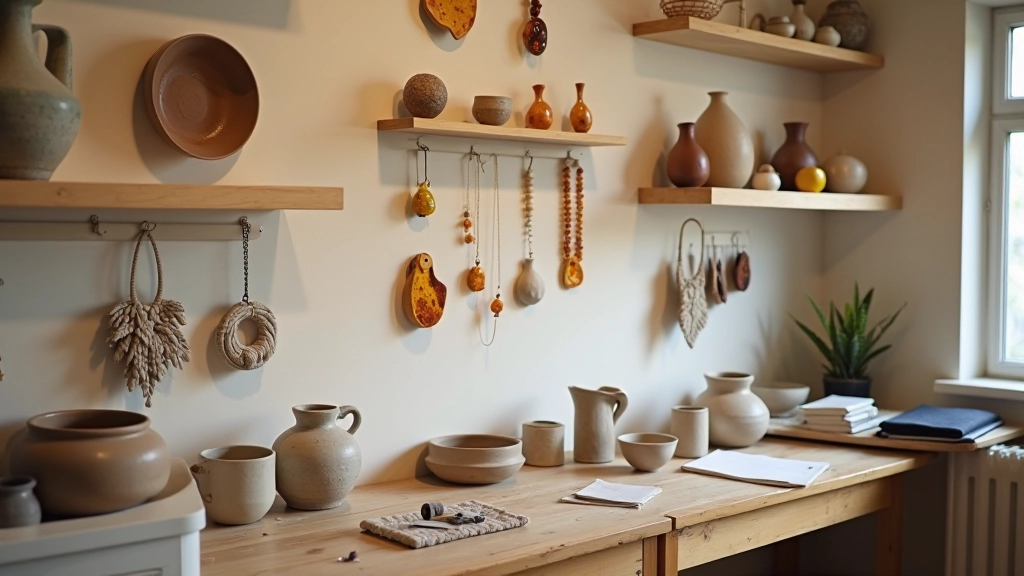
The workshops scattered across Rīga and beyond aren't fancy studios with Instagram-perfect lighting. They're working spaces where people come to actually make things. Some are in old buildings near the Old Town, others tucked into creative districts. Most welcome beginners without any prior experience. In fact, drop-in sessions work best for newcomers because there's no pressure to commit to a full course before you know if it's your thing.
01. Core Techniques You'll Learn
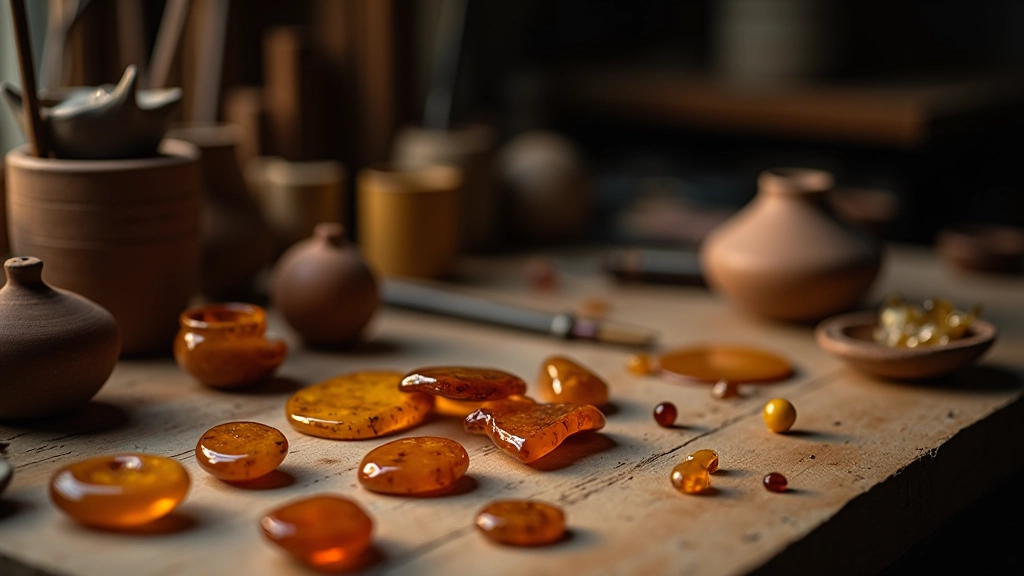
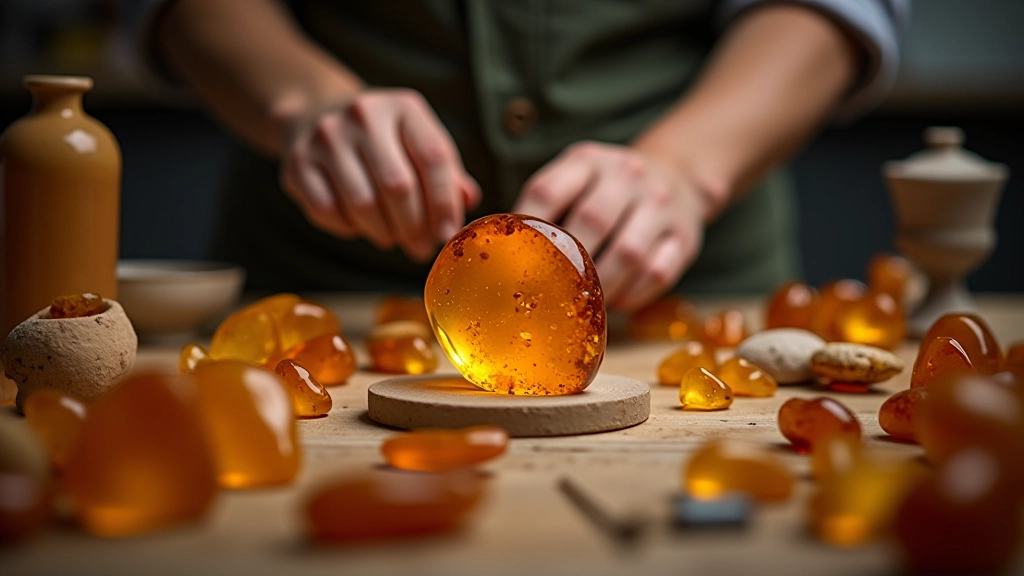
Here's what actually happens in these workshops. Amber work starts with raw pieces — rough stones that don't look like much at first. You'll learn how to identify quality amber, spot fakes, and understand the different colors (golden, red, milky, cloudy). The polishing process takes patience. You're using progressively finer grits, starting around 220 and working up to 2000+. It's meditative work, honestly. Most beginners can create a simple pendant or set of beads in their first few sessions.
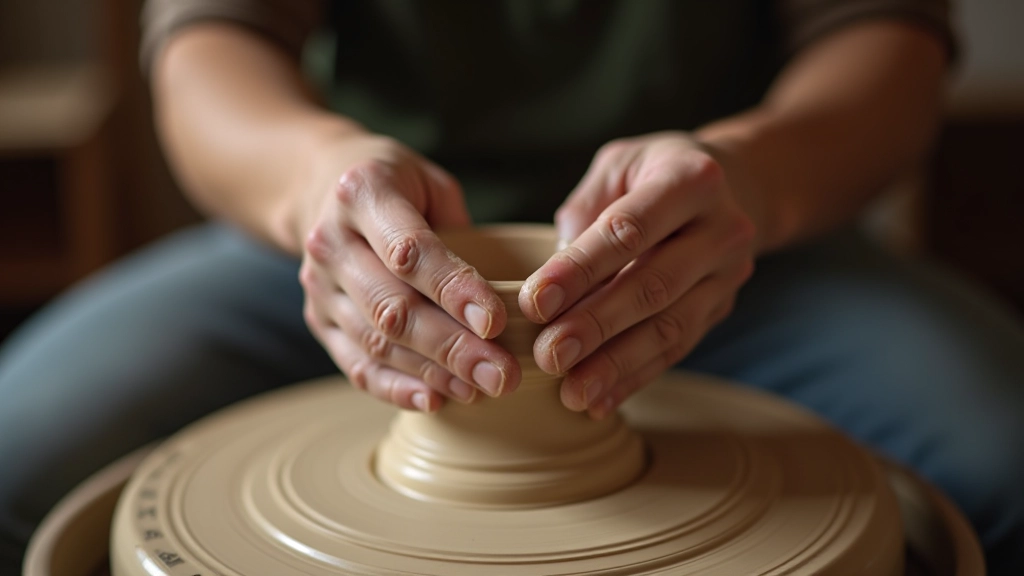
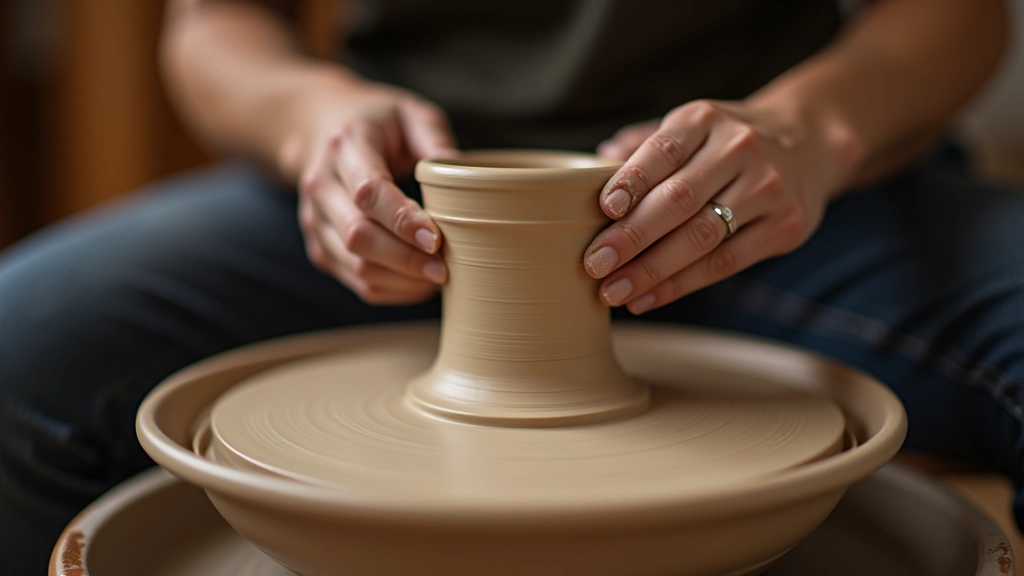
Ceramic techniques are different — they're about building and shaping. You'll start with hand-building methods before touching a wheel. Coil building teaches you how clay moves and responds. Slab construction shows you precision. Some workshops introduce wheel throwing right away if you're interested, but don't expect to make perfect bowls your first time. Expect crooked things. Expect to smash things and start over. That's normal.
- Amber polishing and buffing (3-4 weeks to basic competency)
- Setting amber in metal (silver, copper, brass)
- Ceramic hand-building and wheel throwing
- Glazing and kiln firing basics
- Surface texture and decoration methods
02. Where to Find Workshops
Most workshops operate on a drop-in basis, which is perfect for testing things out. You don't need to sign up for a 6-week course just to see if you'll like it. Show up, pay for a session (usually 2-3 hours), and make something. If it clicks, you can go back next week. If not, you've only lost one afternoon.
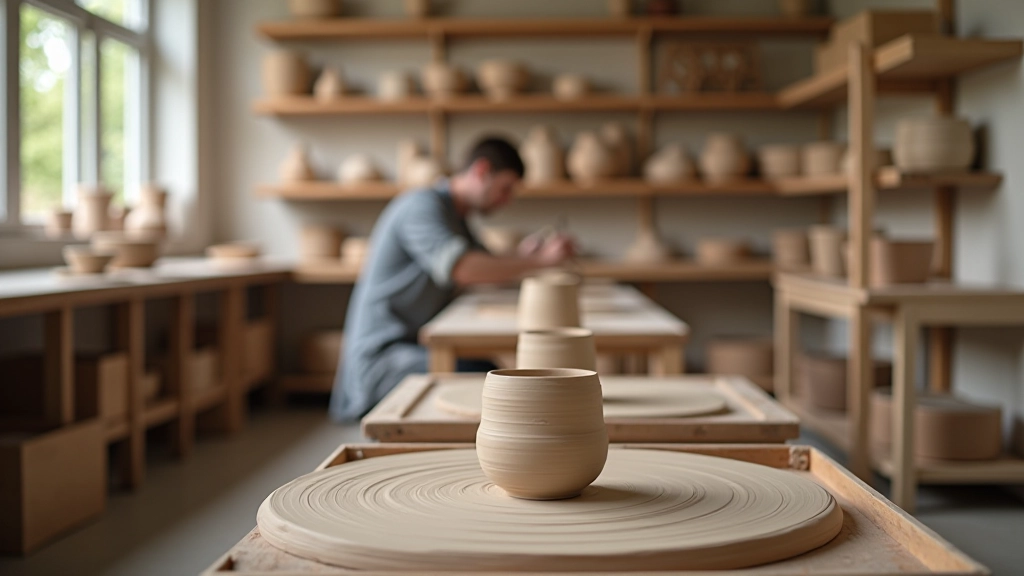
The biggest concentration is in central Rīga — around the creative district and Old Town area. There's usually at least one ceramic workshop within walking distance from Doma Laukums. Amber workshops are a bit more spread out because they need quieter spaces, but most are still accessible by tram. Some workshops operate from artist collectives where you're surrounded by people working on completely different things. Others are more focused, dedicated just to ceramics or amber.
Pro tip: Call ahead. Don't just show up. Some workshops fill up on weekends, and a few require booking 24 hours in advance. Most have their schedules on Instagram or a basic website. Friday evenings and Saturday mornings are usually busiest — go midweek if you want more one-on-one attention.
03. What Actually Happens Your First Session
You'll arrive slightly nervous. That's universal. The instructor will walk you through safety stuff — hand position, how to avoid catching fabric in machinery, where the first aid kit is. Sounds boring but it's necessary. Then you'll handle materials. With amber, you'll get a rough piece and a polishing station. The instructor shows you the motion (consistent, gentle pressure, no forcing it). You'll spend maybe 30-45 minutes on one piece. Your hands will get tired. Your shoulders will feel the repetition. That's real work.
With ceramics, you'll probably start at a table, not a wheel. You'll get clay, wedge it (that's the kneading process), and begin shaping. The instructor might have you make pinch pots first — literally pinching and turning the clay. Simple but teaches you how the material responds to pressure. Everyone makes something lumpy their first time. Doesn't matter. You're learning.
Most sessions wrap up with cleanup and a look at what everyone made. There's usually tea or coffee. People chat. Some become regulars, some don't. No judgment either way. The whole vibe is "make something, learn something, see if you want to come back."
Setting Real Expectations
You won't:
- Make museum-quality pieces immediately. Seriously, don't expect that.
- Finish a project in one session. Most things need time, drying, firing, or multiple stages.
- Have a perfectly smooth polished amber pendant after 2 hours. It'll be rough still.
- Get rich selling your creations. That's not the point.
You will develop actual skills. After 4-5 sessions of amber polishing, your hands will know the right pressure. After a few ceramic sessions, you'll understand how clay responds to touch. You'll make mistakes and learn from them. You'll probably surprise yourself with what you can create once you stop overthinking it. The real magic happens around session 6-8 when it stops feeling totally foreign and starts feeling like something you could actually do.
Note: This guide is informational. Workshop schedules, pricing, and availability change seasonally. Always contact workshops directly for current information. Safety requirements vary by location — always follow instructor guidance regarding protective equipment and proper technique. Some workshops have age restrictions or require parental presence for minors.
Getting Started is Simple
The barrier to entry is low. You don't need to own equipment, take a course, or commit months upfront. Pick a workshop, show up with cash or a card, and see what happens. Worst case? You spend an afternoon learning something new. Best case? You've found a hobby that'll stick around for years. Most people who walk into these workshops thinking "maybe I'll try this" end up going back. Not because they become master craftspeople (though some do), but because working with your hands on something real feels different. It feels purposeful.
Amber and ceramics connect you to something bigger than yourself — to Latvian history, to tradition, to people who've been making beautiful things for generations. You're not just making a pendant or a bowl. You're participating in that continuity. That matters.