
Getting Started with Pottery in Rīga
Where to find beginner classes, what to expect your first session, and why pottery's easier to start than you think.
Pottery intimidates people. You imagine yourself struggling to center clay, watching it wobble across the wheel while experienced potters work calmly next to you. But here's the thing — everyone feels that way at first. We've talked to dozens of beginners in Rīga who were nervous about their first class, and almost all of them came back for a second one.
The city has a solid pottery community. Studios range from casual hobby spaces to serious artist workshops. Most welcome beginners and don't expect you to be good immediately. You'll learn the basics in a few weeks, create something recognizable in a couple of months, and honestly? You'll probably get hooked.
Why Start Now?
- Low barrier to entry — no expensive tools
- Meditative and genuinely relaxing
- Real community in Rīga's pottery circles
- Quick wins — you make bowls, mugs, plates
01
Finding the Right Studio
Rīga has about a dozen active pottery studios. Some focus on wheel-throwing, others emphasize hand-building. The best studios for beginners offer introductory courses — usually 4-8 weeks, once or twice per week. Ninety-minute sessions are standard.
Check what's included. Good studios provide clay, tools, and firing. Some charge per session, others work on course packages. Most offer a first trial session at a discount or free so you can see if it fits. Don't overthink this — visit two studios, feel the vibe, and pick the one where you'd actually want to spend time.

02
Your First Session — What Actually Happens
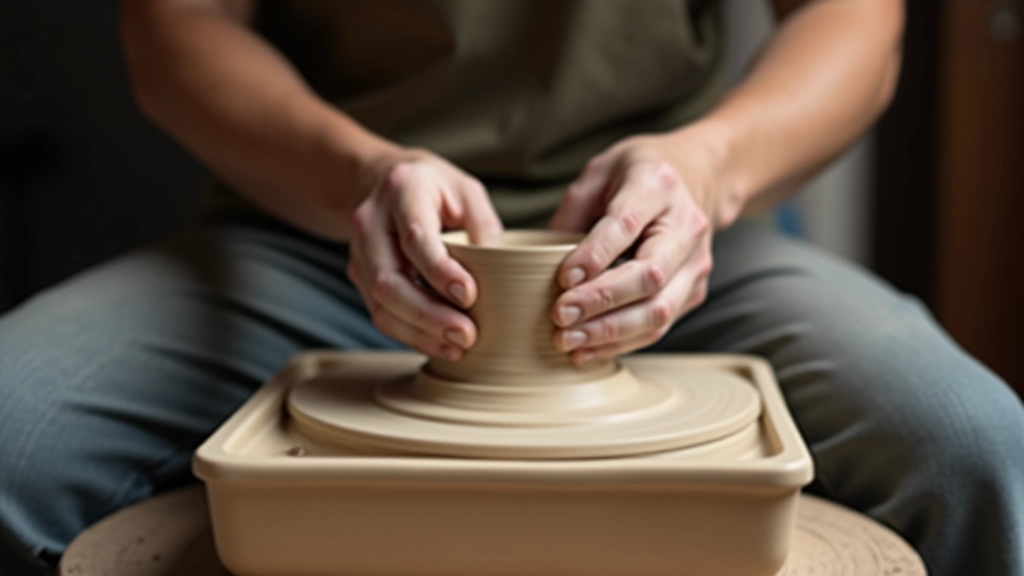
Day one usually isn't about the wheel. Most studios start you with hand-building. You'll learn basic techniques — coiling, slab-building, pinching. Your instructor will show you how clay behaves, what happens when it's too dry or too wet, and how to join pieces together so they don't crack.
You'll probably make something small and wonky. A pinch pot, maybe a slab dish. Don't expect a perfect bowl. That's not the point yet. You're learning how the material responds to pressure, what "leather-hard" means (clay that's partially dry but still workable), and whether you enjoy the process. Most people do. The tactile thing is real.
03
Centering and Wheel-Throwing
Here's where people get anxious. Throwing on the wheel looks hard because it is — but not for the reasons you think. The wobbling isn't because you're bad. It's because your hands aren't in the right position yet.
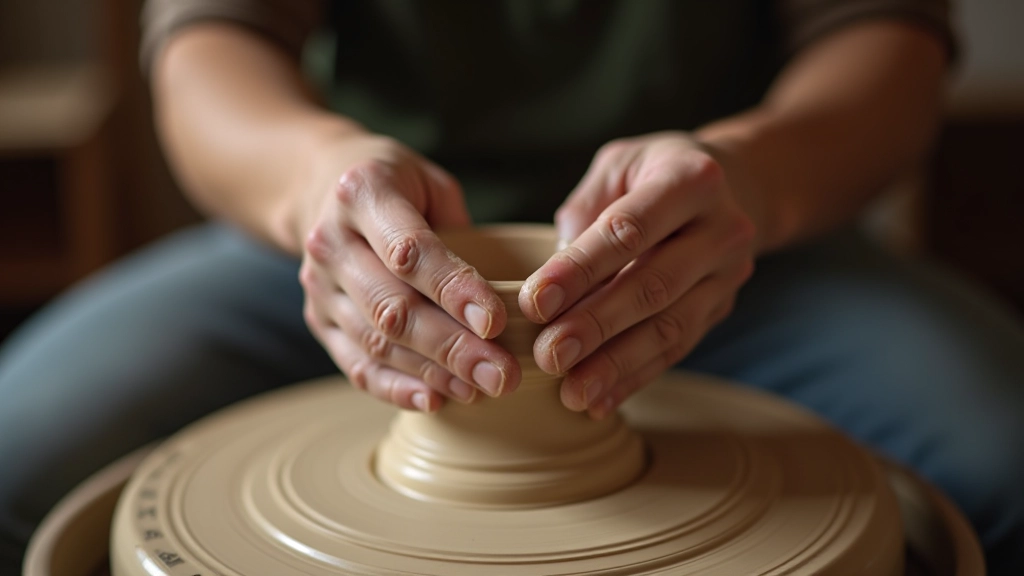
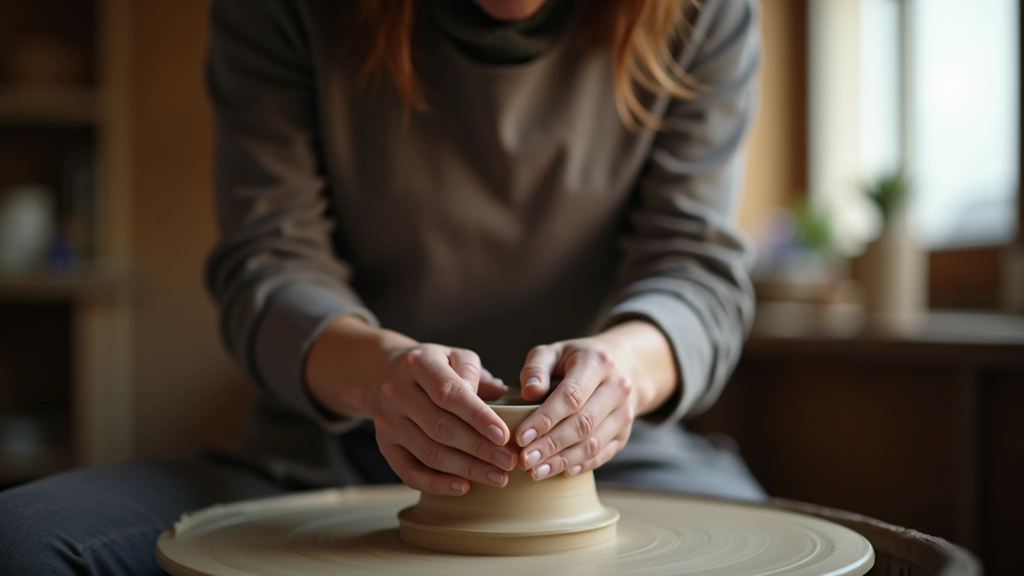
You'll spend weeks just practicing centering. That's the skill where you shape the spinning clay into a symmetrical mound. It takes patience. Most people get it in 4-6 weeks of regular practice. Some faster, some slower. Your instructor will guide your hands into position repeatedly until muscle memory kicks in. Once you can center, pulling walls is almost straightforward. You're opening the clay from the inside, letting it rise. It's genuinely satisfying when it works.
Real Tips from Rīga Potters
Keep a Sponge Handy
Water management is everything. Too much and your clay gets sloppy. Too little and it sticks. A natural sponge (the ones studios provide) is your best friend. Squeeze it out, use it to smooth and clean. You'll use it constantly.
Thickness Matters
Most beginner mistakes come from walls that are too thin. You think you're making a delicate bowl, but the bottom cracks in the kiln because it was uneven. Aim for consistent thickness — about 5-7mm for small bowls. Your instructor can show you how to measure with your finger.
Drying Takes Patience
Rushing drying causes cracks. Wrap your pieces in plastic and let them sit for several days before firing. Some studios have drying racks. Ask about this during your first visit.
Connect with Other Beginners
Studios often have regular class times. Show up to the same slot each week and you'll meet the same people. Pottery communities are surprisingly friendly. People will offer tips, celebrate your wins, and commiserate about failures.
Understand Firing
Bisque firing (first firing) happens around 1000°C. Glaze firing (second firing) is hotter — 1200°C or more. Your studio handles this. You don't need to understand the chemistry, but knowing there are two firings helps you understand the timeline.
Glazing is Separate
After bisque firing, you'll glaze your pieces. Most studios offer basic glazes (earth tones, blues, whites). Glazing is easier than throwing and a good way to make your wonky first pots look intentional.
What to Expect — Time and Materials
Most beginner courses in Rīga run 4-8 weeks with 1-2 sessions per week. Each session is typically 90 minutes. That's roughly 6-16 hours of instruction to get comfortable with basics. Clay is included in course fees. So is access to kilns for firing. You won't need to buy equipment initially.
Some studios sell finished pieces to students at cost if you want to keep your work. Others let you take pieces home for free. Ask about this upfront. Also ask about continued access after your course ends — many studios offer open studio times where you can work independently for a smaller fee.

Information Note
This article provides educational information about pottery classes and beginner techniques. Studio details, pricing, and schedules vary. We recommend contacting studios directly for current information, course availability, and specific requirements. Pottery involves equipment and heat sources — always follow studio safety guidelines during classes.
Start Small, Think Long-Term
You don't need to be artistic to enjoy pottery. You don't need steady hands or natural talent. Most of the people in beginner classes are just like you — curious, a bit nervous, and genuinely surprised by how quickly they improve.
The first piece won't be good. The second one will be slightly better. By week six, you'll have made something you're actually proud of. That feeling — holding a bowl you threw from a lump of clay — it's real. It's why people keep coming back.
Rīga's pottery scene is welcoming. Studios are easy to find, instructors are patient, and the cost is reasonable. Take a trial class. Spend 90 minutes with your hands in clay. If you enjoy it, sign up for a course. If you don't, you've lost nothing but an hour. But we'd bet you'll be back.